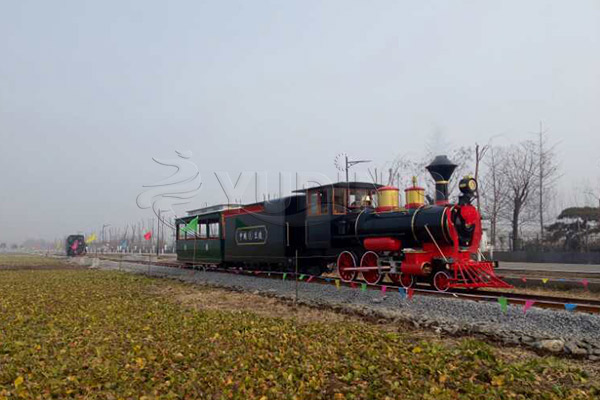
A farm amusement train often works in all weather, from summer heat to autumn rain and winter cold. Weather protection is therefore part of the vehicle specification, not a cosmetic option. This guide explains what to include for farm amusement train weather protection.
Choose the Cabin Mix
Open carriages suit warm, dry climates and short routes, while enclosed cabins suit longer journeys and changeable weather. A mixed set, with some open and some enclosed carriages, lets the farm operate in more conditions. Confirm the number of seats in each carriage and how the mix affects the total capacity of the train. Decide the mix from the local climate and the visitor profile, not from a single brochure photograph.
Protect the Roof and the Glazing
The roof should shed water away from the doors and the seating, with sealed joints and a slope that prevents pooling. Check the glazing, the seals and the drainage channels, Check the roof fixings after every service, because vibration can loosen them over time. Confirm that the roof can be cleaned safely. A farm train with enclosed carriages should keep guests dry even in a heavy shower.
Plan Ventilation and Heat
An enclosed carriage can become uncomfortable in summer. Provide opening windows or vents, and consider heating for cold mornings. Test the ventilation with the train full on a hot day, not only with the manufacturer’s demonstration. The ventilation should work while the train is moving and at the station, because guests may wait on board during a stop.
Protect the Electrical Systems
Keep the battery and control boxes above the floor level, where water cannot collect. Weather protection also covers the electrical and control systems. Reviewing the trackless train cabin options range shows how different vehicles protect their equipment. Reference material on train passenger comfort explains how the cabin affects the ride experience.
Design for Wet Clothing and Mud
Farm visitors arrive with muddy boots and wet coats. Provide a durable floor, drainage and easy-to-clean seats, and Provide a drying area at the depot, so the carriages can dry between runs. Keep a mat or a cleaning point at the boarding area. A carriage that looks good but cannot be cleaned quickly will become unpleasant after a rainy day.
Plan the Operating Rules
Finally, decide when the train runs and when it stops in severe weather. Write the rules for wind, lightning and heavy rain, and train the staff to apply them. Keep the weather policy visible at the boarding point, so guests understand why a trip is delayed. Record each weather closure and the reason, so the policy can be reviewed at the end of the season. Weather protection is both a vehicle specification and an operating policy.
A farm amusement train needs the right cabin mix, roof and glazing, ventilation, protected electrics, cleanable materials and clear operating rules. Specify the vehicle for the weather it will actually face. Operators can review the range from Dinis farm train weather team and start from the product page at https://www.dinistrains.com/farm-amusement-trains-for-sale/.
Leave a Reply