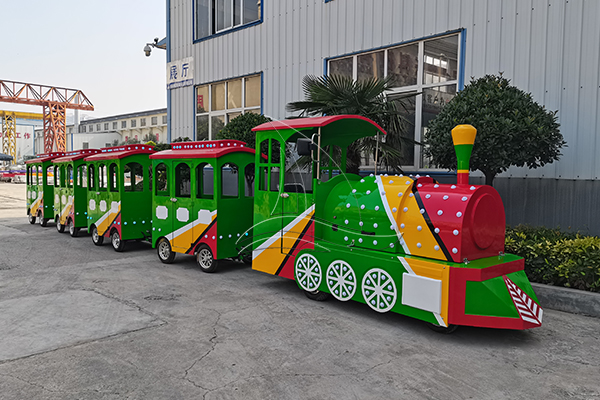
A mall train earns money only when passengers can board easily and reach the stores they came to visit. Placing stops poorly turns the ride into a slow, confusing service that families use once and never again. This guide explains where to position trackless mall train stops inside a large shopping centre to maximise ridership, safety, and circulation.
Start at Entrances and Anchor Stores
The first stop should be close to the main entrance, where visitors arrive and where they decide how to move through the mall. A second stop near the largest anchor store or department store captures guests who walk furthest. These two positions alone often generate the majority of passengers because they serve the longest walking distances in the building.
Serve the Food Court and Restrooms
Families plan their visit around meals, restrooms, and play areas. A stop near the food court and one at the location of the main restrooms and lifts serve a practical need and increase repeat use during the same visit. Keeping the stop a short, level walk from these facilities matters, because a train that drops guests far from the entrance to the food court will not be used by parents with strollers.
Fill the Quiet Zones
Malls usually have areas with lower traffic, often on upper floors or at the end of long corridors. A well-placed stop can bring families into those zones and improve circulation for the entire centre, which is exactly what landlords want. This is the commercial argument for a mall train route planning exercise: the ride becomes a tool that distributes visitors rather than concentrating them at the entrance.
Design Safe Boarding Areas
Boarding points must not obstruct fire lanes, escalators, or emergency exits, and they should be visible from staffed positions. Plan enough space for a short queue that does not block shoppers walking past, and use markings or low barriers to separate waiting guests from moving pedestrians. Level surfaces, good lighting, and clear signage make boarding faster and safer. A modern electric trackless mall train is quiet and emission-free, which matters when the stop is inside an enclosed shopping environment.
Keep the Route Simple and the Waits Short
Guests use the train when they understand it. Route the service along wide, level paths, avoid tight turns, and post a simple map at every stop showing the direction of travel and the next station. Aim for a maximum wait of five to eight minutes; a predictable service becomes part of the shopping habit, while an unreliable one is ignored.
Coordinate with Mall Operations
Speak to mall management before finalising stop locations. Cleaning schedules, delivery hours, security routes, and marketing events all affect where a train can stop and when it can operate. Agreeing on these details early prevents conflicts and often uncovers opportunities, such as running the train during seasonal events or outside peak shopping hours.
Stops placed at entrances, anchor stores, food courts, and quiet zones turn a mall train into a practical service that families use repeatedly. Work with an experienced Dinis mall train manufacturer that can advise on routes and boarding areas, and study how a modern shopping mall manages visitor flow between anchor attractions. To discuss train models, capacities, and layouts, visit https://www.dinistrains.com/trackless-mall-train-for-sale/ and share your mall plan.
Leave a Reply