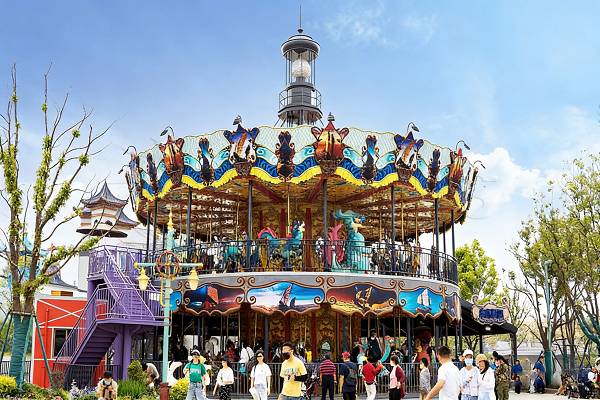
A 92-seat carousel is a landmark, but it is also a large object in a building with rent, columns and a ceiling. Deciding whether it justifies its footprint means comparing the revenue it can generate with the space it takes from shops and circulation. This guide explains the 92 seats luxurious double decker merry go round case.
Calculate the Footprint It Consumes
Measure the platform, the swept area, the queue, the exit and the maintenance access, then compare that total with the floor area available. A large carousel may use more space than the rent suggests, because the space around it cannot be used for retail. The right comparison is revenue per square metre over the lease term, not the ride’s ticket price alone.
Check the Vertical Space
A two-storey carousel needs clear height above the upper deck, which is often the limiting factor in a mall atrium. Confirm the ceiling height, the position of beams and ducts and the clearance required for lighting and maintenance. Measure the clearance above the highest point of the upper canopy as well, because maintenance lighting and inspection equipment need room above the ride. A model that fits the floor but not the ceiling cannot be installed, regardless of its capacity.
Review the Structural Loads
The building’s structural engineer needs the static and dynamic loads of the ride, including the passenger load and the anchor reactions. A 92-seat machine concentrates a significant load through its centre and base, and a suspended or mezzanine floor may need strengthening. A large double decker carousel for malls should be approved by the building engineer before the order is placed.
Model the Capacity per Hour
Ninety-two seats is a per-cycle figure. The hourly capacity depends on loading, restraint checks, the ride programme and unloading. Simulate the full cycle with a busy queue and compare the result with the expected footfall. A large carousel that loads slowly may not deliver the capacity the mall expects.
Plan Staffing and Guest Flow
A large carousel needs attendants on the platform, at the stairs and at the gate, plus a queue that does not block the mall’s circulation. Reviewing a 68 seat two story carousel shows how a slightly smaller model arranges the same functions with less space. The structural context is described in reference material on carousel design and capacity.
Compare the Landmark Value
Finally, weigh the intangible value. A 92-seat double decker is a visual landmark that can anchor an atrium, attract tenants and support events. A landmark that draws visitors to a specific part of the mall can also reduce the cost of wayfinding and promotion, which is a genuine commercial benefit. That value can justify a larger footprint where a smaller ride would not, but it should be quantified in the business case rather than assumed.
A 92-seat carousel justifies its footprint when the space, height, structure, capacity and staffing all support it, and the landmark value is included in the return. Test each constraint before committing. Operators can review the range from Carousel Manufacturer double decker factory and open the product page at https://www.carouselmanufacturer.com/product/92-seats-luxurious-double-decker-merry-go-round/.
Leave a Reply